






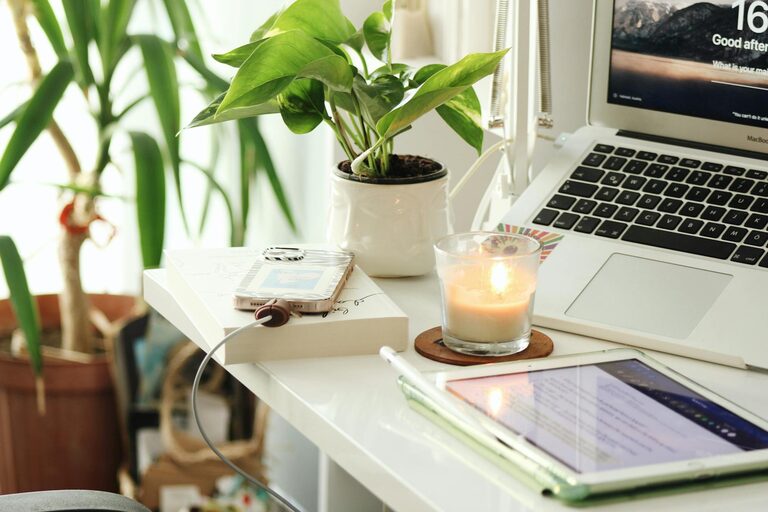
Creating a productive and comfortable workspace at home is essential for maintaining focus and reducing stress. Whether you work remotely full-time or occasionally need a quiet spot for projects, a well-designed home office can greatly improve your work experience. Here are some practical tips to help you create a relaxing home workspace that encourages both comfort and productivity.
Choose the Right Location
Selecting the best spot in your home for your workspace is the first step. Ideally, pick a quiet area with minimal foot traffic to help reduce distractions. If possible, a room with a door allows you to separate work from personal life and signals to others when you are busy.
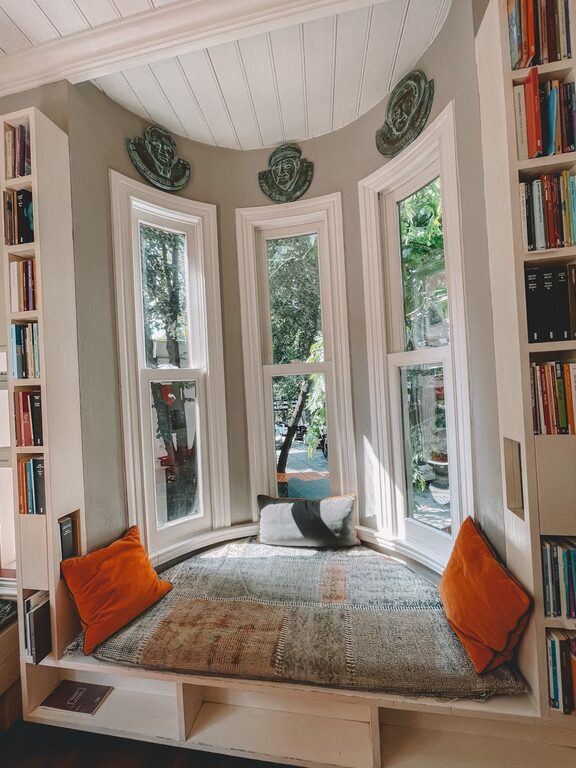
Natural light is another key consideration. Position your desk near a window to benefit from daylight, which can improve mood and energy levels. Avoid placing your screen directly opposite the window to prevent glare.
Invest in Comfortable Furniture
Comfort is crucial when you spend long hours at your desk. Opt for an ergonomic chair that supports your back and encourages good posture. Adjustable chairs allow you to tailor the height and support to your individual needs.
Your desk should be at a height that promotes comfortable arm positioning when typing. If space allows, consider a sit-stand desk to vary your working position throughout the day. A supportive footrest can also help reduce strain on your legs.
Keep it Organised
An organised workspace reduces stress and saves time. Use shelves, drawers, or filing cabinets to store documents and supplies neatly out of sight. Keep your desk surface as clear as possible, leaving only the essentials.
Consider investing in cable organisers and desk trays to keep cords tidy and paperwork under control. Regularly declutter your space to maintain a refreshing environment.
Personalise Your Space
Adding personal touches makes your workspace more inviting and relaxing. Display a few meaningful photos, art prints, or inspirational quotes. Incorporate plants to bring a bit of nature indoors — they can improve air quality and create a calming atmosphere.
Choose colours that promote focus and calm. Soft blues, greens, and neutrals work well for most people, but select hues that make you feel comfortable and energised.
Mind Your Lighting
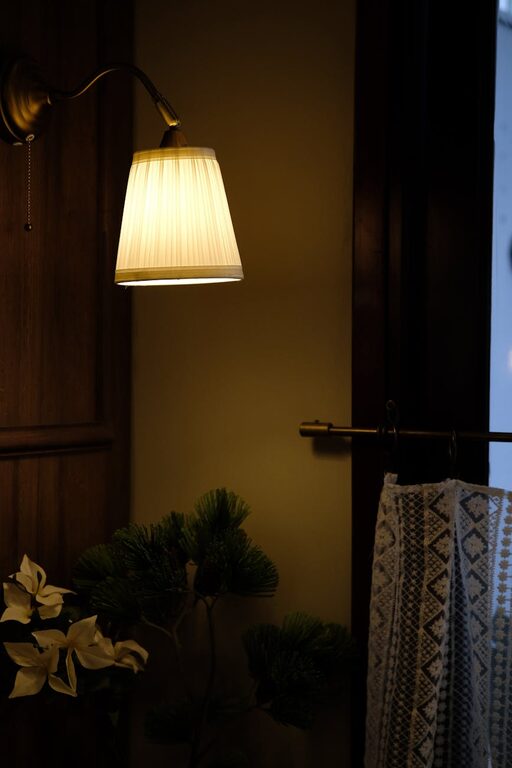
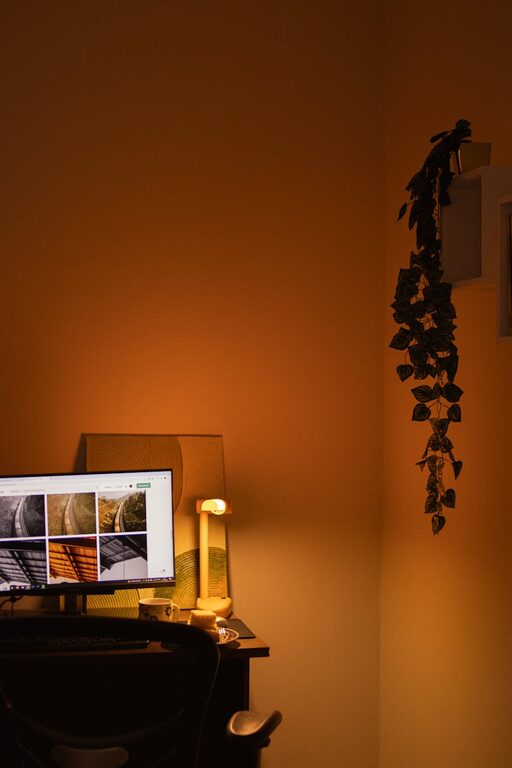
Good lighting is vital to prevent eye strain and create a pleasant workspace. Complement natural light with adjustable desk lamps that provide focused illumination. Avoid harsh overhead lighting that causes glare or shadows.
Consider using warm white bulbs, which are easier on the eyes during long working hours. If your workspace doubles as an evening area, dimmable lights offer flexibility for different moods and tasks.
Minimise Noise Distractions
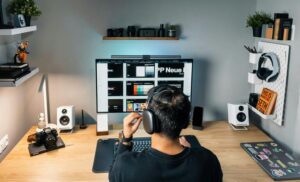
Noise can significantly impact concentration. If you cannot find a quiet spot, use noise-cancelling headphones or play soft background music or ambient sounds to mask distracting noises.
Sound-absorbing materials such as rugs, curtains, or acoustic panels can help reduce echo and noise from other rooms. White noise machines are another option to create a steady, calming sound environment.
Create a Routine and Boundaries
A relaxing workspace also depends on how you use it. Set clear work hours and stick to them to prevent burnout. Taking regular breaks away from your desk is just as important as the workspace itself.
Communicate your work schedule to family or housemates to help minimise interruptions. Use physical cues like closing the door or turning off your workspace lights when finished to separate work time from personal time.
Add Comfort Accessories
Small comfort items can make a big difference. Use a cushion or lumbar support for additional comfort. Keep a water bottle nearby to stay hydrated and include a small diffuser with calming scents like lavender or citrus.
A comfortable keyboard and mouse suited to your hands can also reduce strain. Make sure your computer screen is at eye level to avoid neck discomfort.
Final Thoughts
Designing a relaxing home workspace takes some effort, but the benefits are worth it. By choosing the right location, investing in ergonomic furniture, maintaining organisation, and creating a calming atmosphere, you boost not only your productivity but also your wellbeing. Remember, your workspace should be a place where you feel comfortable and motivated to get work done while also caring for your physical and mental health.
With these tips in mind, you can transform any corner of your home into an inviting and efficient workspace tailored to your needs. Happy working!