





Creating a relaxing home environment doesn’t require a complete overhaul or expensive renovations. With just a few simple decor changes, you can transform your living space into a soothing sanctuary where you can unwind and recharge. Whether you live in a cosy flat or a spacious house, these practical tips will help you bring calm and comfort into your daily surroundings.
Why Creating a Relaxing Home Matters
Your home should be your refuge from the stresses of daily life. A peaceful environment positively affects your mood, reduces anxiety, and can improve your overall wellbeing. Thoughtful decor choices play a significant role in setting this calming tone without feeling overwhelming or impersonal.
Declutter and Simplify Your Space
Start with a Clear Base
Clutter can subconsciously increase stress levels. Begin by clearing your surfaces—tables, shelves, and windowsills—and only keep items that are functional or bring you joy. A simplified space feels more open and breathable.
Use Storage Solutions
Invest in discreet storage boxes, baskets, or shelving units that complement your decor style. Keeping things organised means your space looks tidy and you won’t be constantly reminded of mess.
Choose Soothing Colours
Stick to Soft, Neutral Tones
Soft hues like beige, soft grey, pale blue, or gentle greens create a calming atmosphere. These colours have a natural ability to relax the mind and work well in living rooms, bedrooms, and even bathrooms.
Add Subtle Accents
If you love colour, incorporate it through small accessories such as cushions, throws, or vases. This allows you to personalise your space without overwhelming its peaceful vibe.
Introduce Natural Elements
Bring in Plants
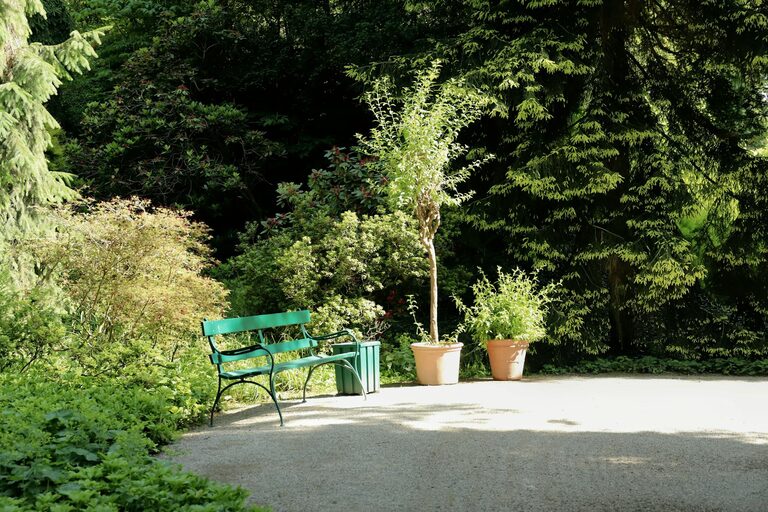
Indoor plants not only purify the air but also boost your mood. Options like lavender, succulents, or spider plants are easy to care for and bring life to any room.
Use Natural Materials
Look for furniture and decor made from wood, wicker, linen, or cotton. These materials add warmth and a tactile quality that makes your space feel cosy and inviting.
Optimise Lighting for Calmness
Incorporate Soft Lighting
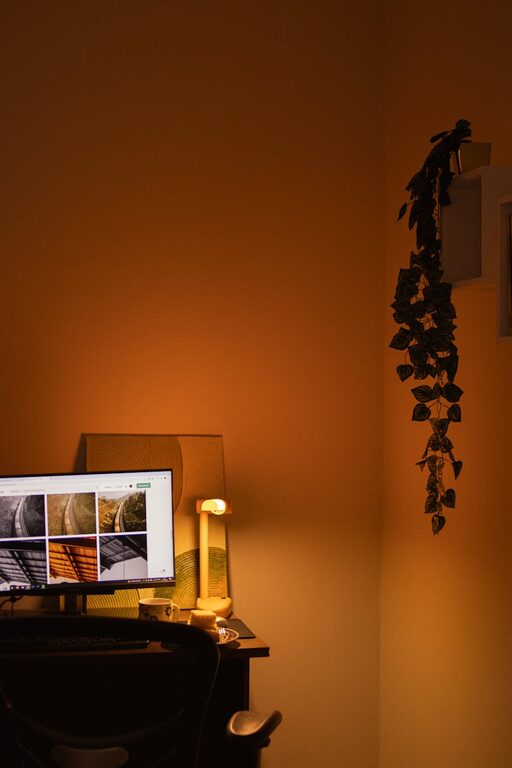
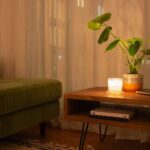
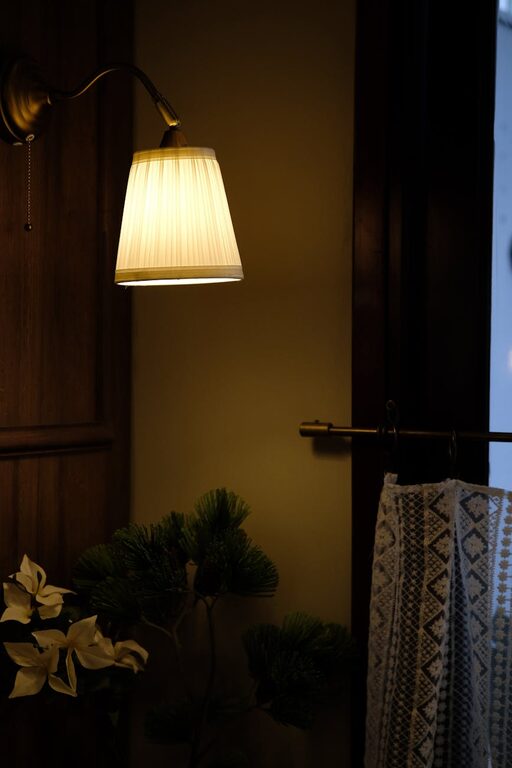
Harsh, bright lights can disrupt relaxation. Instead, use lamps with warm bulbs, fairy lights, or candles to create soft pools of light. These help the mind unwind, especially in the evenings.
Make the Most of Natural Light
Maximise daylight by using sheer curtains and keeping windows clean. Natural light improves mood and energy levels during the day.
Create Comfortable Zones
Designate Spaces for Relaxation
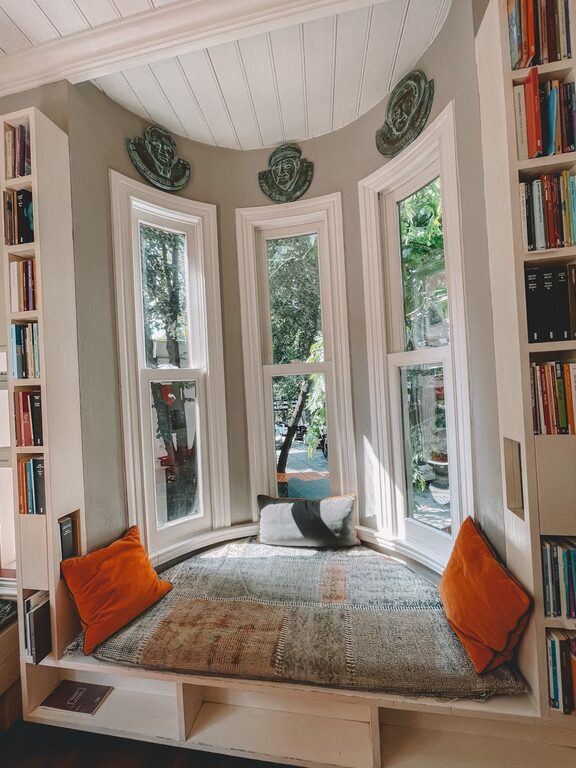
Even in smaller homes, carve out a nook dedicated to relaxing—this could be a comfy armchair with a blanket and a stack of books or a meditation corner with cushions.
Use Soft Textiles
Add plush cushions, throws, and rugs to soften hard surfaces and invite you to settle down and relax.
Add Personal, Meaningful Touches
Incorporate Items That Bring Joy
Photographs, artwork, or souvenirs that have positive memories attached can make your space feel welcoming and uniquely yours.
Avoid Overcrowding
Display a few treasured items rather than cluttering every surface. The key is to keep things intentional and peaceful.
Maintain Freshness and Pleasant Scents
Keep Air Flowing
Good ventilation helps keep your home feeling fresh. Open windows regularly to let in fresh air.
Use Subtle, Natural Scents
Essential oil diffusers, fresh flowers, or soy candles with calming scents like lavender or chamomile can subtly enhance your space’s atmosphere.
Final Thoughts
Transforming your home into a relaxing haven is mostly about making mindful choices that support your wellbeing. Simple decor adjustments—like choosing calming colours, adding plants, and improving lighting—can make a big difference. Remember to keep things simple, personal, and comfortable, and enjoy the peaceful retreat you’ve created just for you.