






Creating a home workspace that is both organised and productive can significantly improve your work experience and efficiency. Whether you are working remotely full-time or occasionally using a space for tasks, having a well-arranged desk and environment helps reduce distractions, saves time, and promotes focus. Here are practical tips to help you design a home office that inspires productivity and keeps clutter at bay.
Choose the Right Location
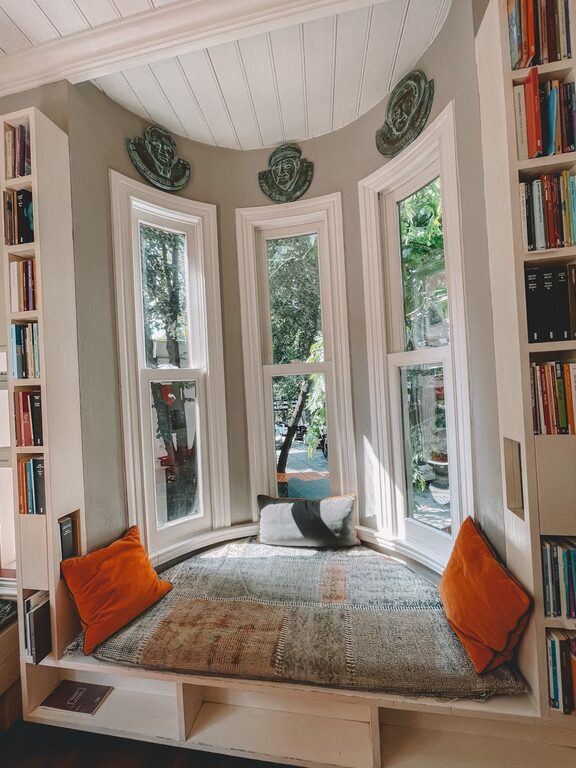
The first step to building an organised workspace is selecting the right spot in your home. Ideally, this should be a quiet area with enough natural light and minimal distractions.
– Find a dedicated space: Even a small corner in a room can work well if it’s used only for work.
– Consider privacy: If possible, choose a room or nook away from noisy household areas.
– Lighting: Position your desk near a window to take advantage of natural light which helps reduce eye strain and boost mood.
Declutter and Simplify Your Desk
A cluttered desk can harm your focus, making it harder to find what you need and increasing unnecessary stress.
– Keep essentials only: Limit desktop items to the tools and materials you use daily.
– Use storage solutions: Employ drawers, trays, and organisers to store stationery, documents, and gadgets neatly out of sight.
– Remove distractions: Personal items, unnecessary gadgets, and decorations should be minimal to maintain a professional atmosphere.
Invest in Ergonomic Furniture
Comfort is important to maintain productivity throughout the working day.
– Ergonomic chair: Choose a chair that supports your back and encourages good posture.
– Adjustable desk height: Consider options that allow you to change the desk height to suit sitting or standing positions.
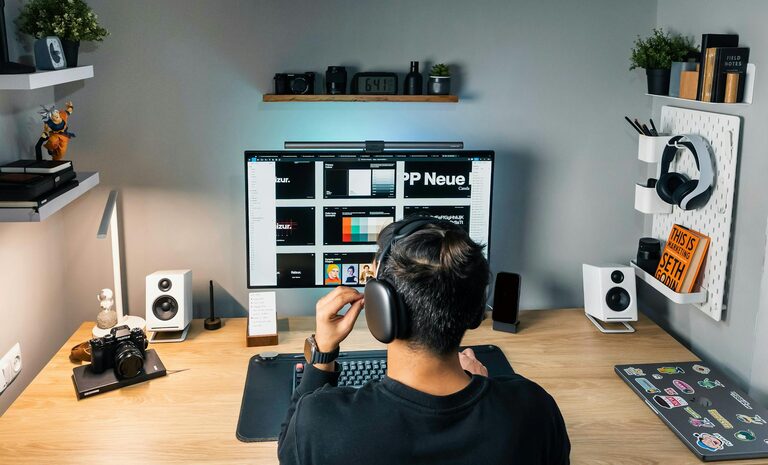
– Monitor placement: Your computer screen should be at eye level and about an arm’s length away to avoid neck strain.
Establish Organisational Systems
Creating systems for managing documents and tasks saves time and reduces the feeling of overwhelm.
Paper Organisation
– Use labelled folders or binders to separate invoices, contracts, and notes.
– Consider scanning papers to digital form for easier access and less clutter.
Digital Organisation
– Maintain a clear folder system on your computer with consistent naming conventions.
– Use productivity apps or calendars to keep track of deadlines and appointments.
Task Management
– Create to-do lists prioritising tasks by urgency and importance.
– Break large projects into smaller steps and schedule them realistically.
Minimise Digital Distractions
In a home environment, it’s easy to be pulled away by notifications and social media.
– Turn off non-essential notifications during working hours.
– Use “Do Not Disturb” settings or focus modes on your devices.
– Limit personal phone usage while working to stay focused.
Personalise Thoughtfully
Adding some personal touches can make your workspace more inviting without compromising organisation.
– Choose a few meaningful items, such as a plant, framed photo, or artwork.
– Avoid overcrowding surfaces with too many decorations.
Incorporate Good Lighting
Along with natural light, proper artificial lighting is necessary to avoid eye fatigue during late work sessions.
– Use a desk lamp with adjustable brightness and direction.
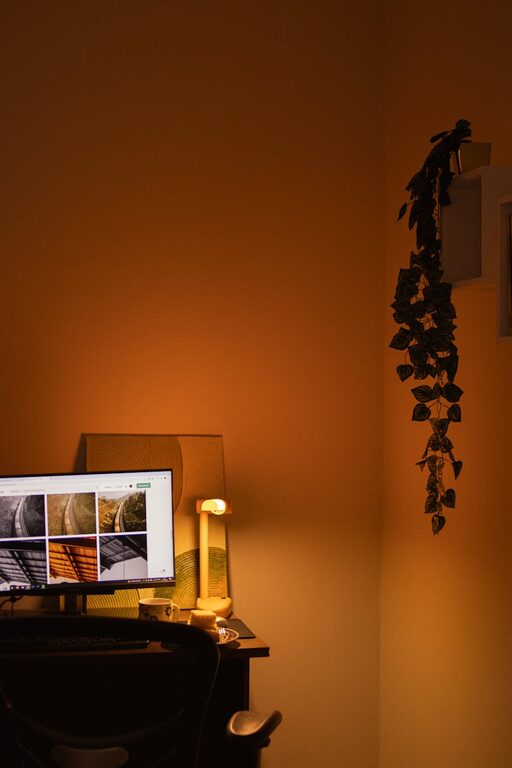
– Prefer warm light to create a cosy, comfortable atmosphere.
Maintain a Routine for Tidying Up
Regular upkeep prevents mess from accumulating and keeps your workspace ready for work every day.
– At the end of each workday, spend a few minutes organising your desk.
– File documents promptly and clear away any unnecessary items.
Take Breaks and Move Around
A productive workspace also encourages healthy habits.
– Stand up and stretch regularly to avoid stiffness.
– Consider brief walks or exercises during breaks.
Conclusion
Creating an organised and productive home workspace is manageable with some thoughtful planning. By choosing a suitable location, decluttering, investing in ergonomic furniture, and building simple organisational systems, you can make your home office both efficient and pleasant. With regular maintenance and mindful habits, your workspace will support your best work every day.