






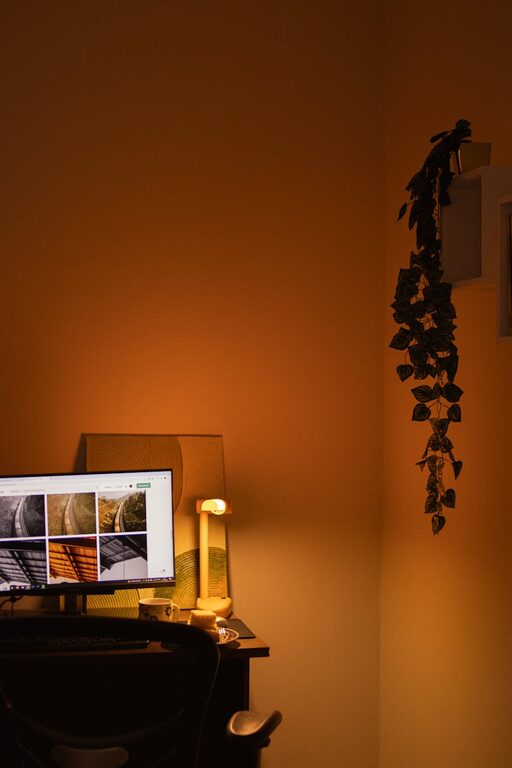
Creating a home office that feels cosy and inviting can greatly improve your work experience and boost your productivity. Whether you work from home full-time or just need a dedicated space for occasional tasks, having a comfortable and pleasant work environment is key. Here’s a detailed guide with tips to help you design a home office that you’ll enjoy spending time in.
Choose the Right Location
The first step to a cosy home office is picking the ideal spot. Consider these factors:
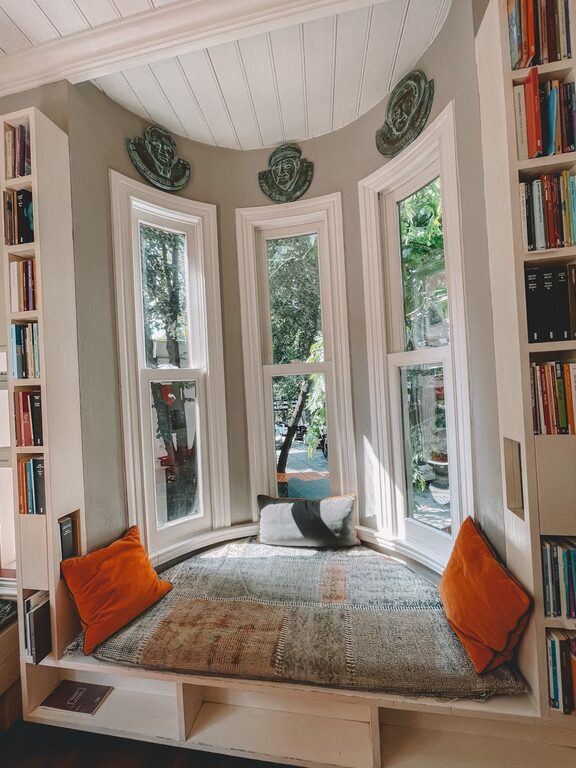
– Natural Light: A space near a window provides daylight, which can improve mood and focus.
– Quietness: Find a quiet corner away from household traffic and distractions.
– Space: Ensure there’s enough room for your desk, chair, and storage without feeling cramped.
If possible, avoid working from your bedroom or kitchen table, as these areas may be associated with relaxation or eating, which can affect your work focus.
Comfort Comes First
Comfort is non-negotiable when it comes to your home office. Here’s how to prioritise it:
– Ergonomic Chair: Invest in a chair that supports your back and encourages good posture.
– Desk Height: Choose a desk or table that fits your height to prevent neck or wrist strain.
– Footrest: If your feet don’t rest flat on the floor, use a footrest to support your posture.
Taking care of your physical comfort will help prevent fatigue and discomfort during long work sessions.
Warm and Inviting Colours
Colour has a powerful effect on mood and productivity. To create a cosy atmosphere, consider:
– Warm Colours: Soft neutrals like beige, cream, or pale pastels can make the room feel welcoming.
– Accent Colours: Use calm blues, greens, or gentle terracotta to add personality without overwhelming.
– Avoid Overly Bright Shades: Bold, bright colours can be energising but may also feel harsh.
You can incorporate colour through wall paint, accessories, cushions, rugs, or artwork.
Personalise with Decorative Items
Your home office should reflect your style and inspire you. Consider adding:
– Plants: Small indoor plants improve air quality and provide a touch of nature.
– Art and Photos: Hang prints or photos that make you feel positive or motivated.
– Soft Textiles: Cushions, a cosy throw, or a small rug can add warmth and texture.
Be mindful not to overcrowd the space; keep decorations meaningful and minimal to avoid distractions.
Optimise Lighting
Good lighting is essential for both comfort and productivity:
– Natural Light: Let in as much daylight as possible by positioning your desk near a window.
– Task Lighting: Use adjustable desk lamps for focused work during darker hours.
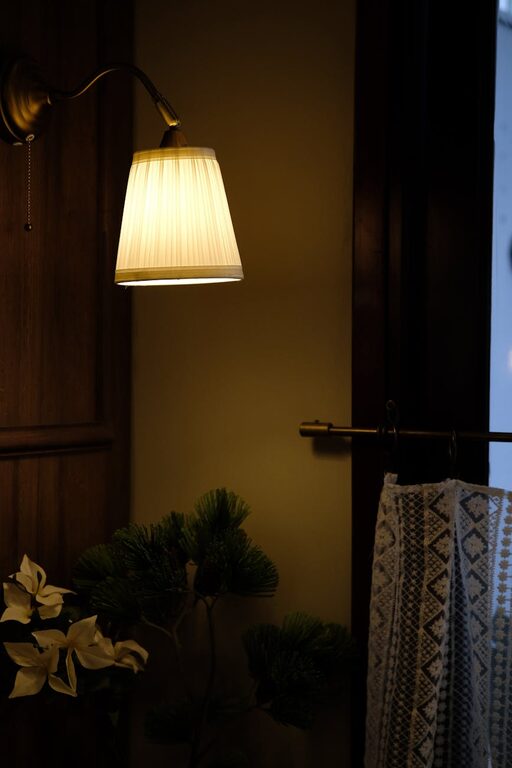
– Ambient Lighting: Use warm overhead lights or floor lamps to create a gentle, welcoming glow.
Avoid harsh fluorescent lights, which can cause eye strain and decrease comfort.
Keep Clutter Under Control
A tidy workspace promotes clear thinking and focus:
– Storage Solutions: Use shelves, filing cabinets, or baskets to organise your materials.
– Desk Organisers: Keep pens, papers, and gadgets neat with trays or small containers.
– Regular Clears: Make a habit of tidying up at the end of each day or week.
Minimising clutter not only improves aesthetics but also makes it easier to find what you need quickly.
Incorporate Technology Thoughtfully
While technology is essential, it shouldn’t overwhelm your space:
– Cable Management: Use clips, ties, or boxes to keep cords neat and out of sight.
– Essential Gadgets Only: Limit devices on your desk to what you use daily.
– Comfort Features: Consider adding a wireless keyboard, mouse, or a monitor stand for ergonomic benefits.
Balancing technology and tidy design ensures your home office remains functional and relaxing.
Add Personal Comforts
Small comfort touches can make a big difference:
– Beverage Station: Keep a favourite mug, tea, or water nearby to stay hydrated.
– Scent: A gentle scented candle or diffuser with lavender or citrus can create a calming atmosphere.
– Temperature Control: Use a fan, heater, or choose a room you can easily ventilate to stay comfortable.
These details help create a welcoming environment where you can focus and enjoy your work.
Establish Boundaries
Creating physical and mental boundaries between work and home life improves balance:
– Defined Workspace: If possible, use a separate room or clearly mark your workspace.
– Closing Off: When your work day ends, close the door or put away work materials.
– Routine: Develop start and end-of-day rituals to signal when work begins and finishes.
A clear separation helps your brain switch between work mode and relaxation.
—
By following these tips, you can design a home office that feels welcoming, comfortable, and tailored to your needs. A cosy and inviting workspace isn’t just about looks—it’s about supporting your well-being and productivity so that you can do your best work every day. Enjoy creating your perfect home office!