






Creating a comfortable and productive home office space is essential for anyone working remotely or running a business from home. With the right setup, you can enhance focus, reduce stress, and maintain a healthy boundary between work and personal life. Whether you have a dedicated room or just a small corner, these tips will help you build an office space tailored to your needs.
Choose the Right Location
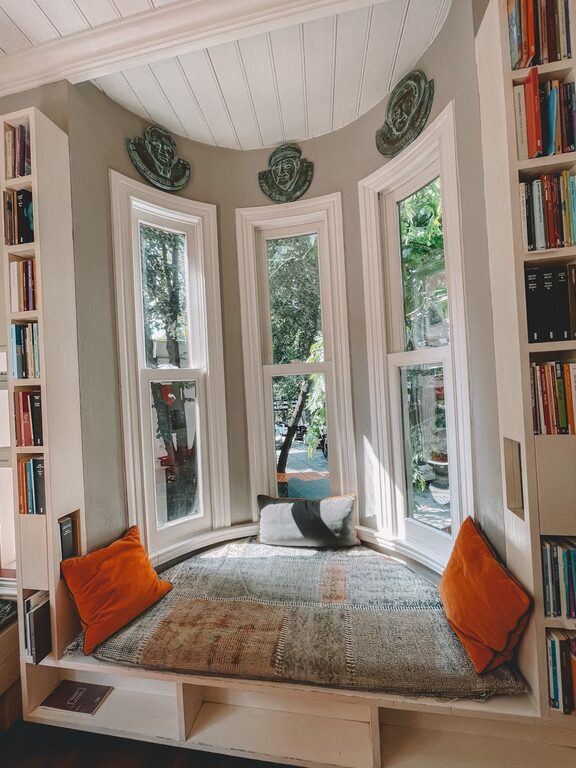
Finding the perfect spot for your home office is the first step. Ideally, select a quiet area with minimal distractions and enough natural light. If possible, use a separate room so you can close the door at the end of the day to separate work from leisure.
Consider Practical Factors:
– Natural light: Exposure to daylight can improve mood and reduce eye strain.
– Space for equipment: Make sure there’s enough room for your desk, chair, computer, and other essentials.
– Noise levels: Avoid high-traffic or noisy areas if you need concentration.
– Ventilation: Fresh air contributes to comfort and alertness.
Invest in Quality Furniture
Comfortable and ergonomic furniture will help you maintain good posture and prevent aches.
Desk:
Choose a desk with sufficient surface area for your computer, paperwork, and accessories. Height-adjustable desks are great for switching between sitting and standing.
Chair:
A supportive office chair with adjustable height, backrest, and armrests is crucial. Look for ergonomic designs to reduce the risk of back pain.
Additional furniture:
Consider storage options such as filing cabinets, shelves, or drawers to keep your space organised.
Optimise Lighting
Lighting plays a vital role in productivity and comfort.
– Natural Light: Position your desk near a window where possible.
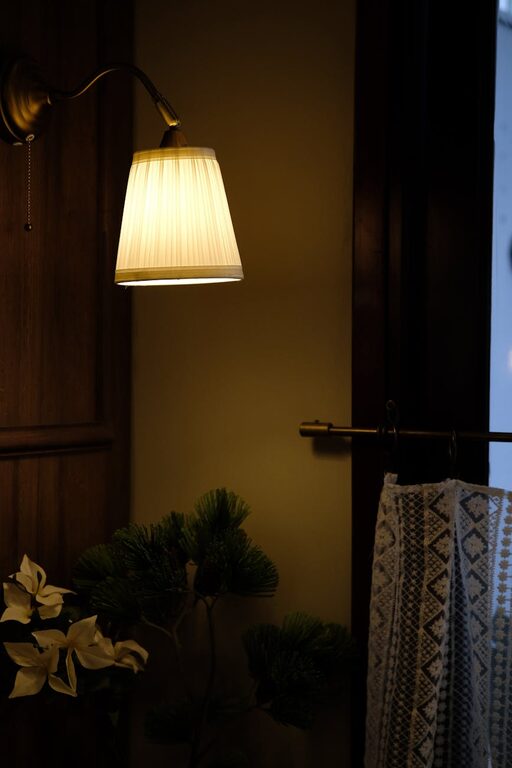
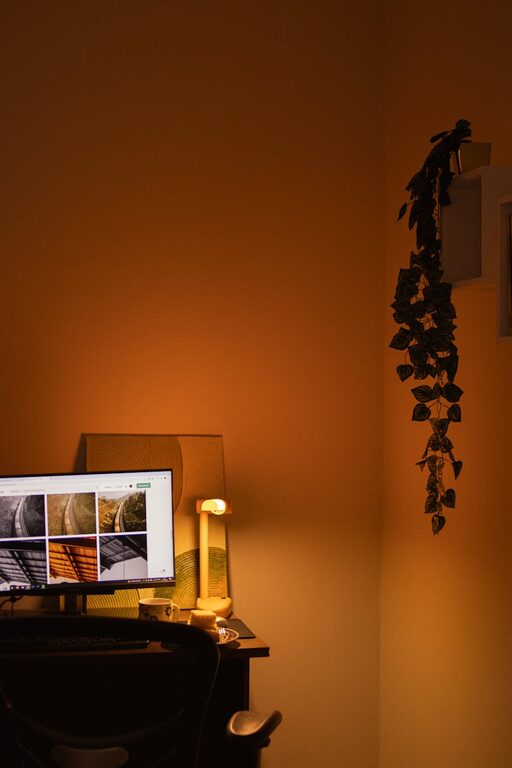
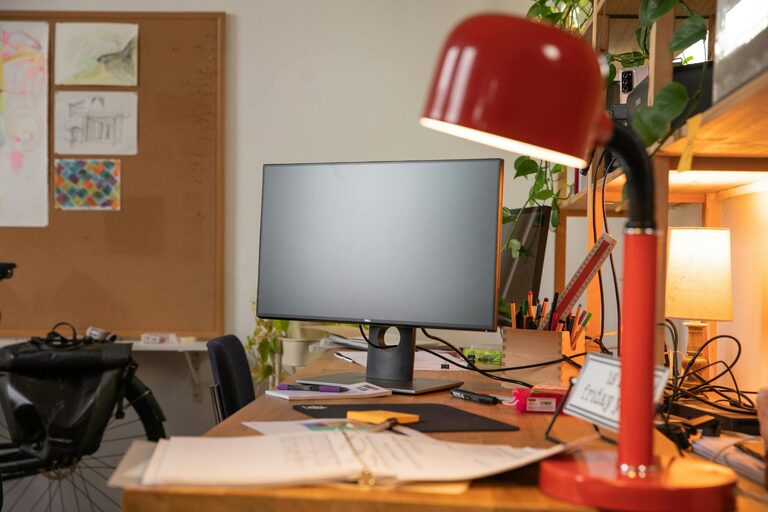
– Task Lighting: Use adjustable desk lamps to reduce glare on screens and provide focused lighting.
– Ambient Lighting: Soft overhead lighting helps create a welcoming atmosphere without causing shadows or strain.
Avoid harsh fluorescent lights or overly dim spaces, as both can impact your focus and energy levels.
Minimise Clutter and Stay Organised
A tidy office reduces stress and helps maintain focus.
– Use cable management solutions like clips or sleeves to keep wires organised.
– Utilise storage boxes, trays, or shelves to keep stationery and documents in order.
– Set aside time at the end of each day to clear your desk and prepare for the next session.
– Consider digital organisation tools to manage your workflow and reduce paper use.
Personalise Your Space
Adding personal touches can make your home office more inviting and inspiring.
– Include plants, which improve air quality and add a splash of colour.
– Hang motivational artwork or photos.
– Use colour schemes that energise or calm you, depending on your preference.
– Display items that spark creativity but avoid over-decorating, which can be distracting.
Maintain a Healthy Routine
Your workspace should support habits that keep you comfortable and productive throughout the day.
– Take regular breaks to stretch, walk, or relax your eyes.
– Keep water nearby to stay hydrated.
– Use a calendar or task list to organise your day and prioritise tasks.
– Set clear working hours, especially if you share your home with others.
Minimise Distractions
Working from home often brings distractions. Create boundaries to stay focused.
– If possible, inform household members of your work hours.
– Use noise-cancelling headphones or play white noise to block background sounds.
– Disable non-essential notifications on your devices.
– Keep your phone on silent or in another room during focused work periods.
Optimise Technology and Connectivity
Efficient technology supports smooth work performance.
– Ensure you have a reliable internet connection for video calls and online tasks.
– Invest in accessories like a good-quality keyboard, mouse, or monitor to enhance comfort and efficiency.
– Keep software and hardware updated to avoid technical issues.
– Consider backup solutions like external drives or cloud storage for important files.
—
Creating an effective home office space takes some planning, but the benefits are worthwhile. By focusing on comfort, organisation, and personal preferences, you can design a workplace that supports your goals and wellbeing. Once your space is ready, you’ll find it much easier to stay motivated and productive throughout your working day.